
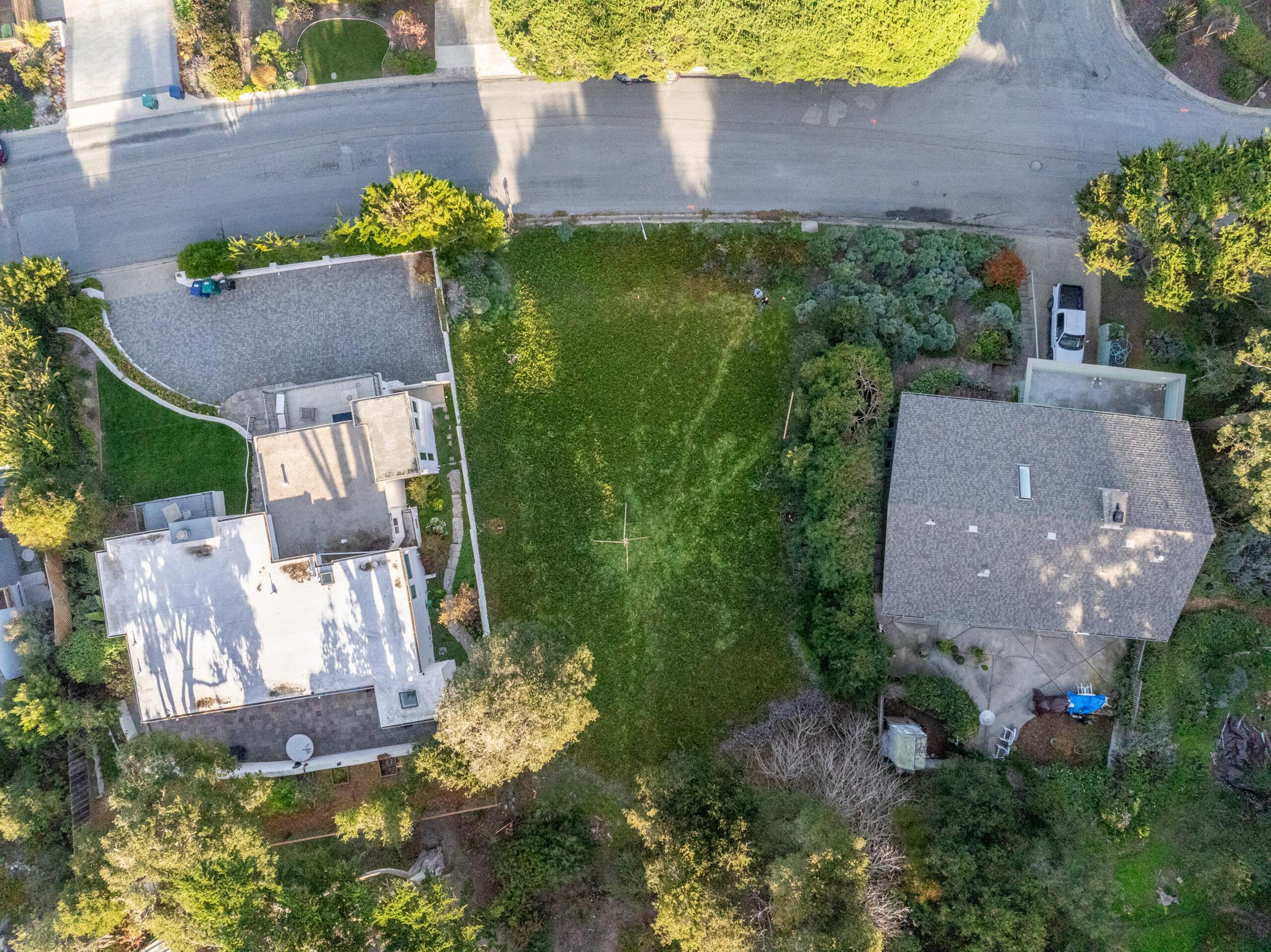

Recently, a vacant lot in Carmel caught the attention of one couple. The surroundings were right, the location was right, but before they signed anything, they needed to ensure that they could actually build the home they were now dreaming up.
They brought their vision to Lewis Builders: a two-story, three-bedroom, three-bathroom house of approximately 2,500 square feet. We conducted our pre-purchase feasibility study to give them a real answer before they committed.
Researching Zoning and Property Constraints
The first step was determining what the rules would allow. The property falls within a medium-density residential area in the Coastal Zone, a designation that comes with specific regulations around height and how much of the lot can be built on. Coastal Zone rules tend to be stricter than standard residential zoning, so it’s always one of the first things we check.
For this parcel, the limits looked like:
- Maximum floor area of about 3,167 square feet total across both floors.
- Maximum site coverage of 2,463 square feet for the building footprint on the ground.
- Required setbacks from property boundaries. These define the minimum distance between the residence and each property line.
- Maximum building height of 18 feet, measured from average natural grade.
Thankfully, the proposed 2,500 square foot home fell comfortably within all of those limits. Early confirmation gave the design team a clear framework and gave the buyers confidence in their plan.
Evaluating Utilities and Infrastructure
One of the most common concerns with vacant land is whether the basics – power, water, and sewer service – are even available. For this lot, the answer was yes on all three: PG&E for power, the Carmel Area Wastewater District for sewer, and California American Water for water service.
Water availability deserves special attention in this area. The Monterey Peninsula operates under significant water restrictions, and many vacant parcels face real uncertainty about whether a water meter can even be installed. In this case, the property carried Mal Paso water entitlements. Here’s where things got particularly encouraging: the Mal Paso supply is exempt from the Cease and Desist Order (CDO) issued by the State Water Resources Control Board. In plain terms, the CDO is a state-level restriction that limits new water connections for most properties in the area. Being exempt meant Cal Am could install a water meter at any time, with no state-imposed delays.
This wasn’t an obvious detail and it took some digging to confirm, but it eliminated one of the biggest sources of uncertainty that comes with buying undeveloped land on the Peninsula.
Understanding the Surroundings
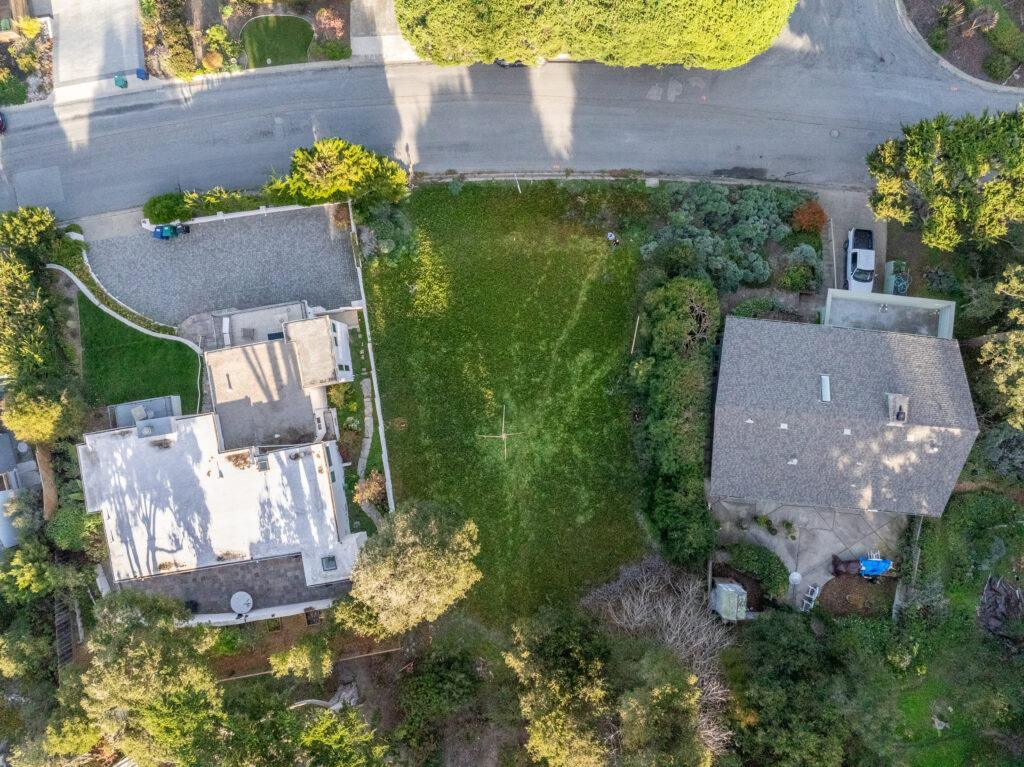
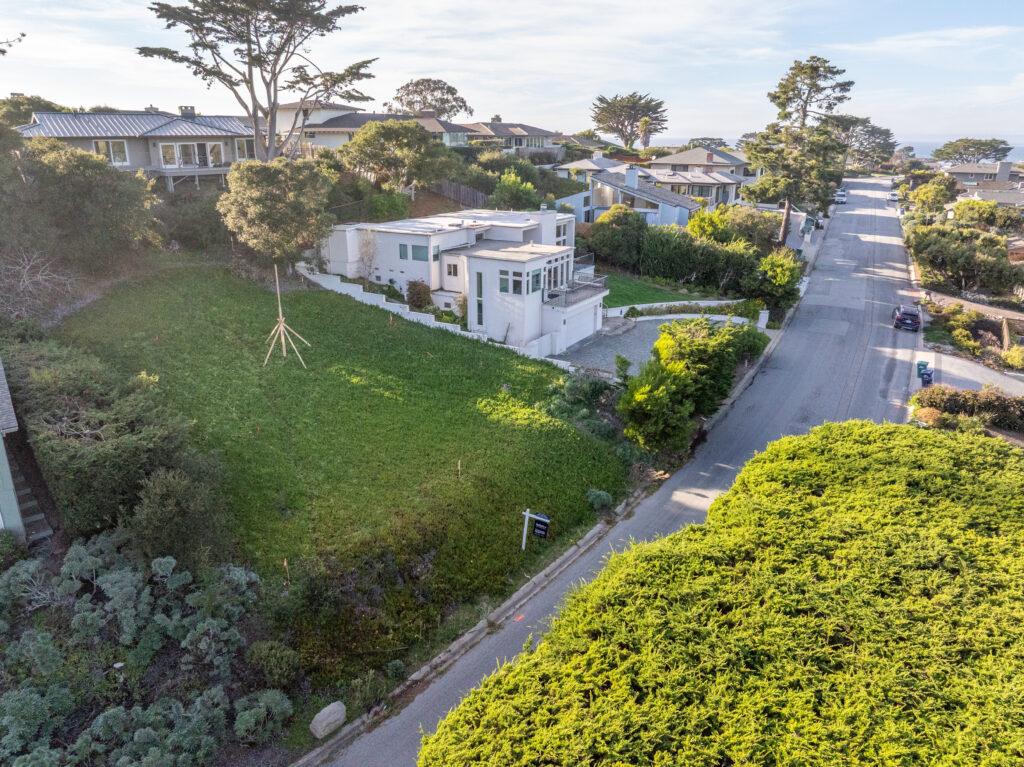
Beyond the rules and utilities, we took a close look at the land itself. The parcel measures just over 7,000 square feet, with an average slope of about 17%. That might sound steep, but sloped lots are very common in this area, and this one was well within the range where development is practical.
The three neighboring developed parcels nearby were a good real-world confirmation that the soils and conditions were suitable for building. Outside of the minor challenges it could bring, the slope also provided opportunity. Elevation can be a real asset for views and for creating interesting split-level architecture.
Lewis Builders also took stock of the trees on and near the property: a single oak on the southwest corner and a row of redwoods along the eastern boundary. Trees might seem like a minor detail, but certain species are protected under local regulations. Therefore, knowing exactly where they are from the start helps the design team work around them thoughtfully.
Picturing the View
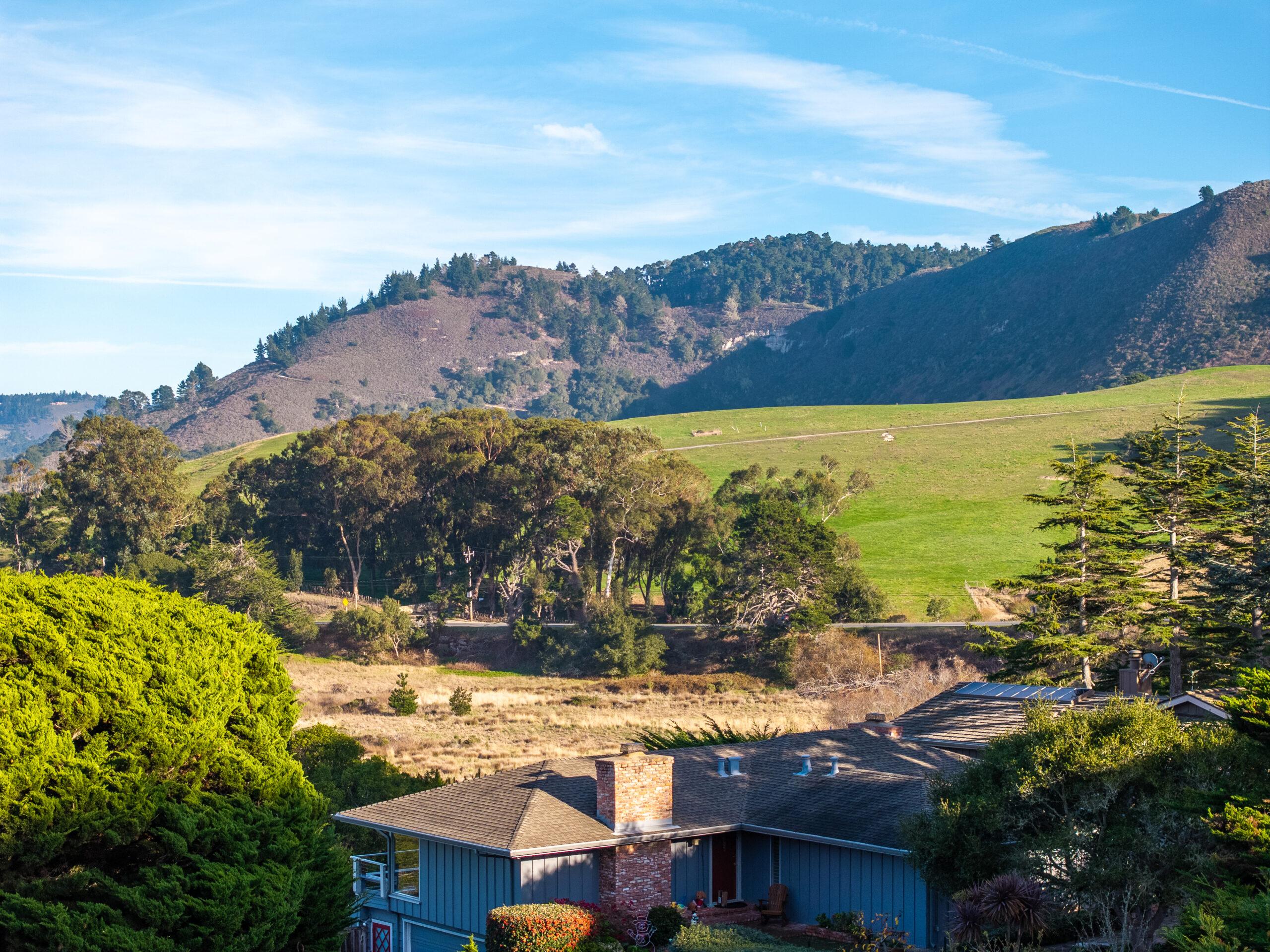
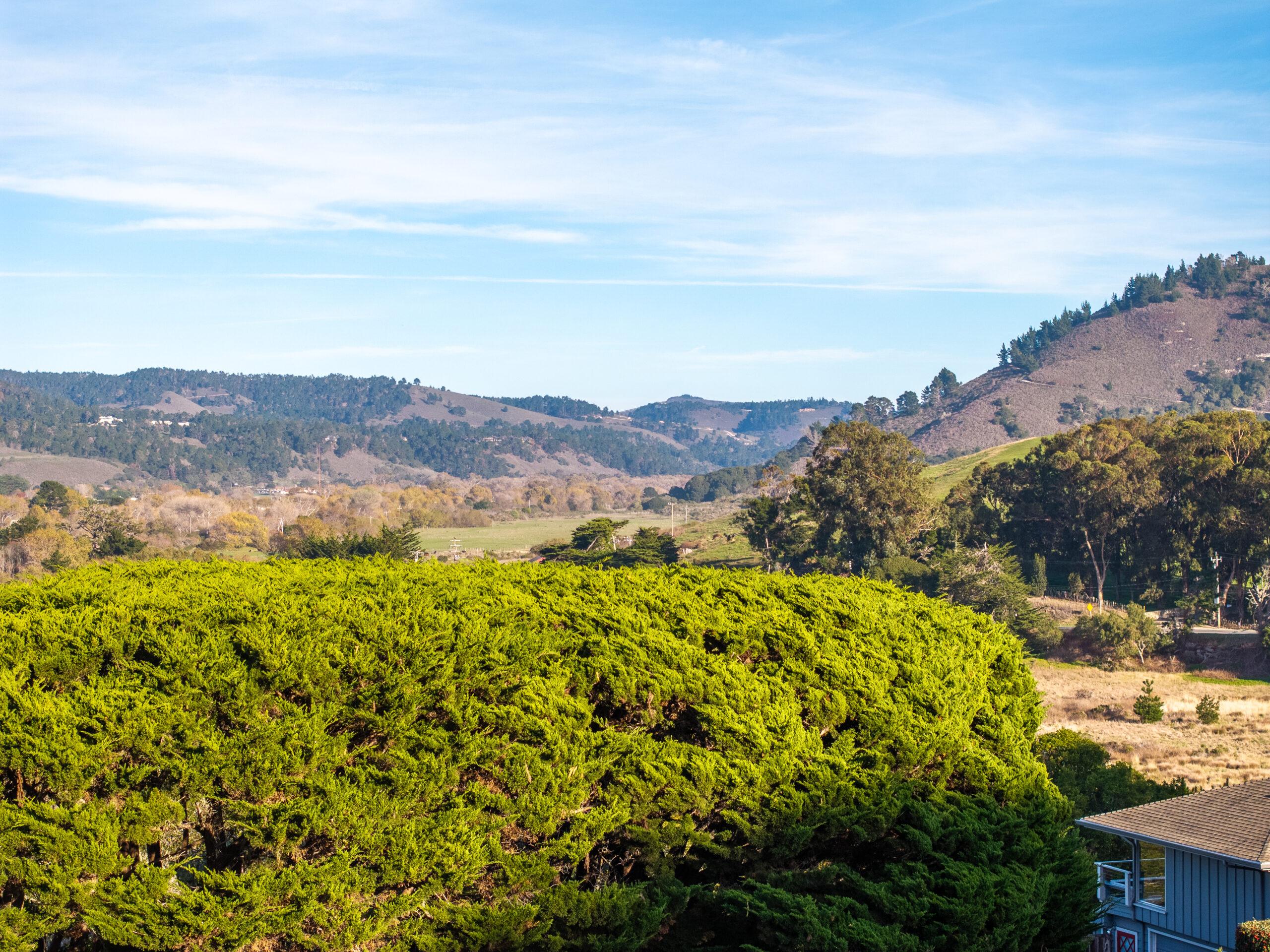
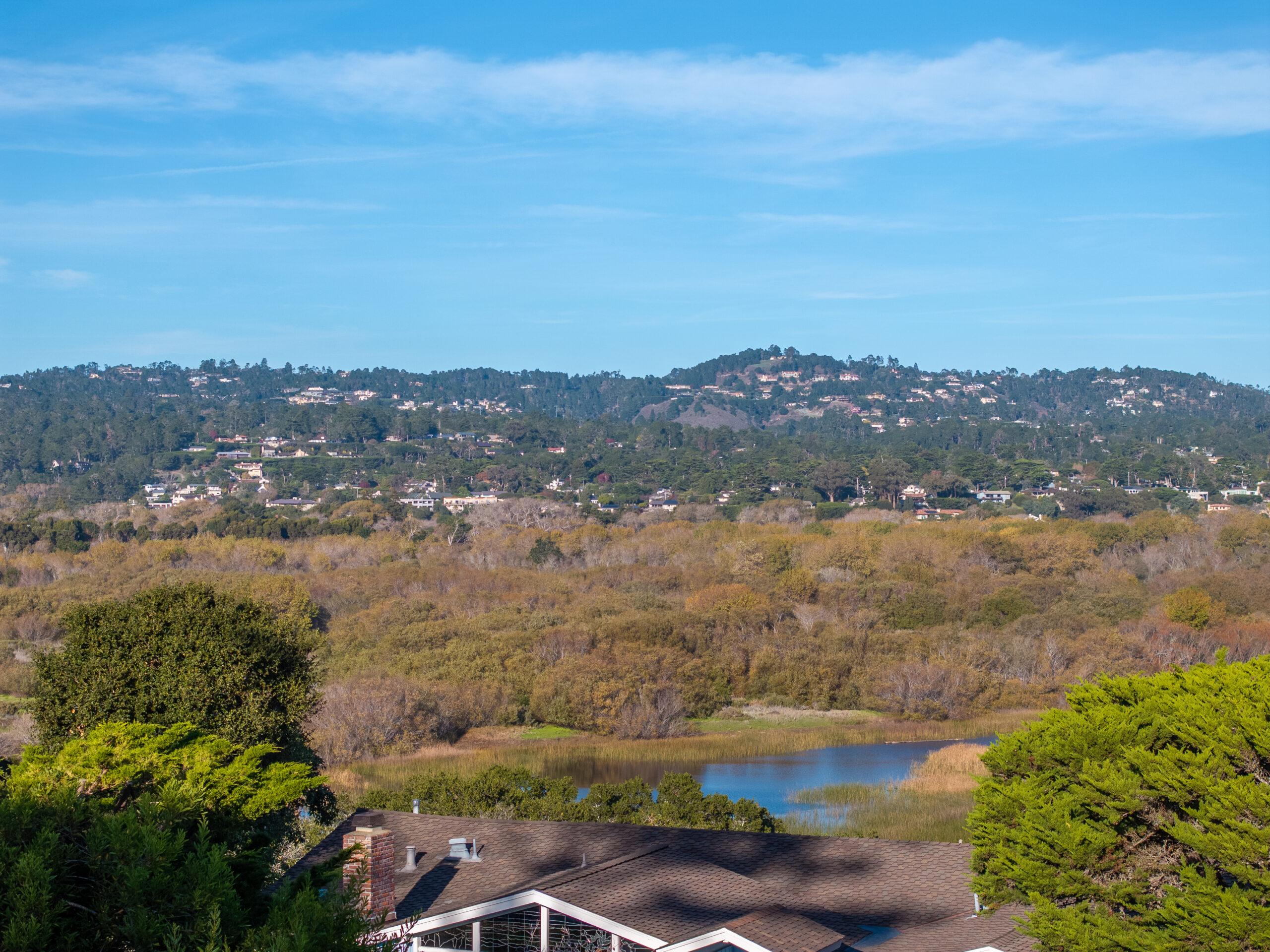
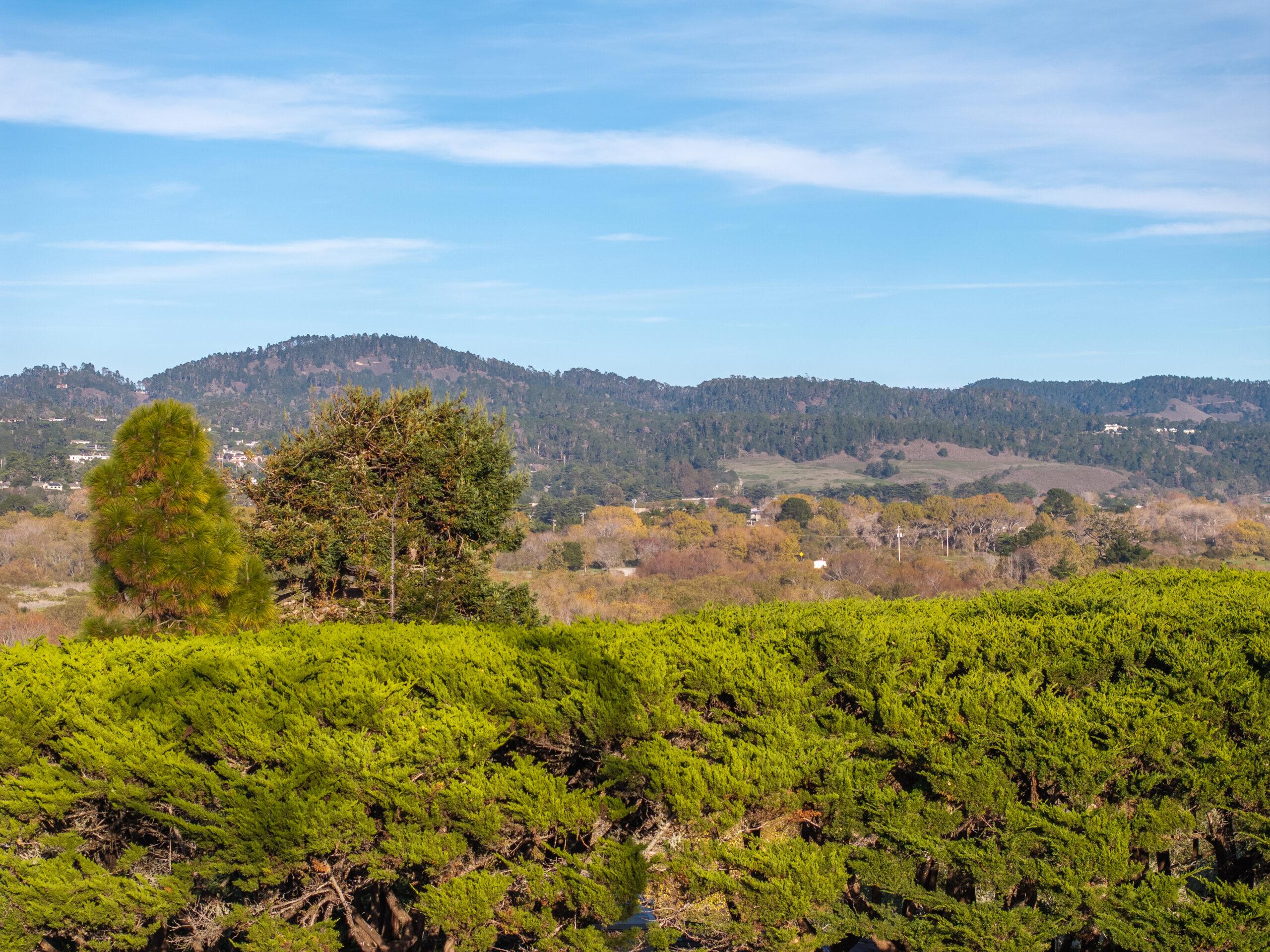
This was one of the couple’s most important questions: what would they actually be able to see from the second floor of their future home?
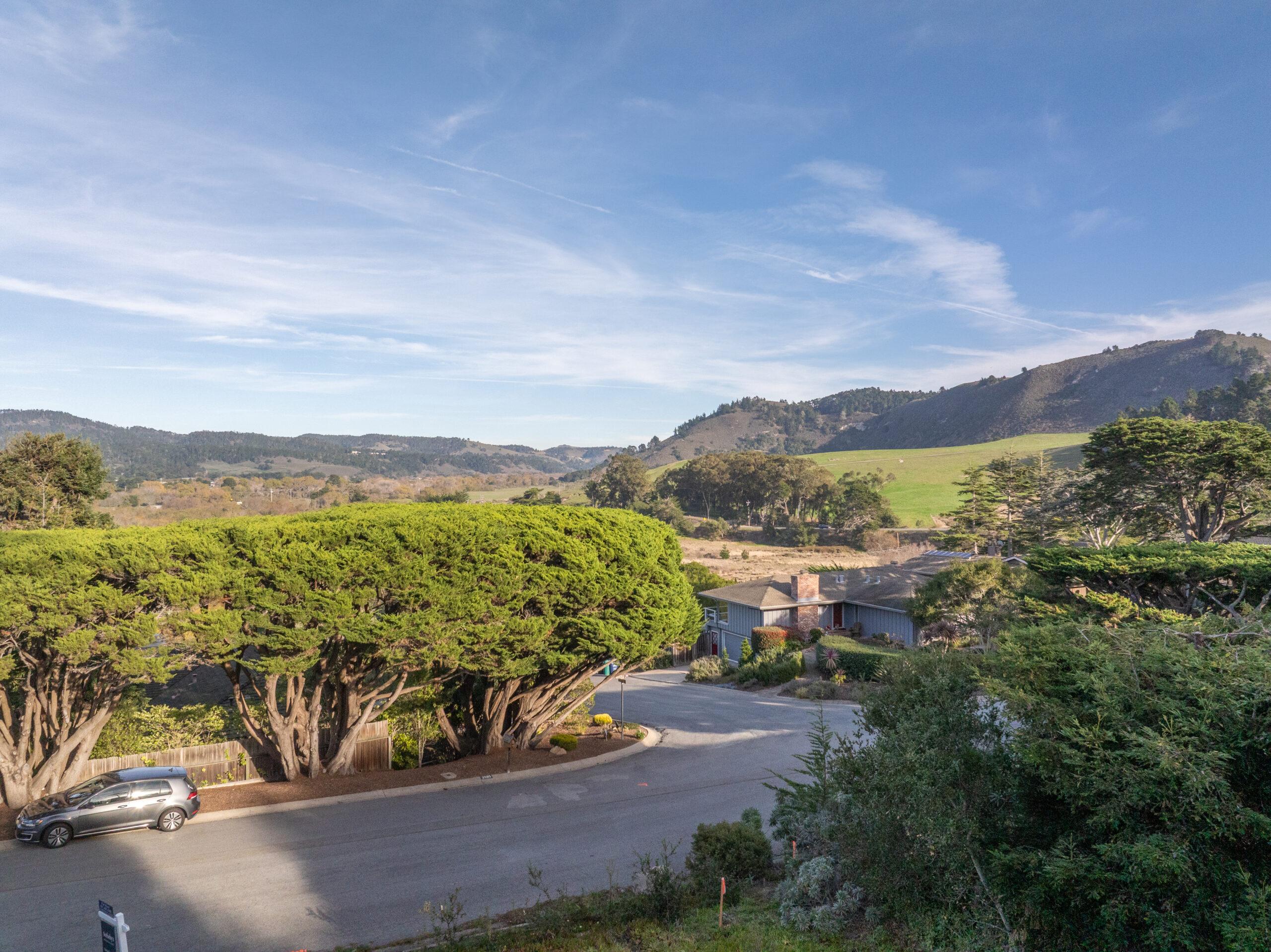
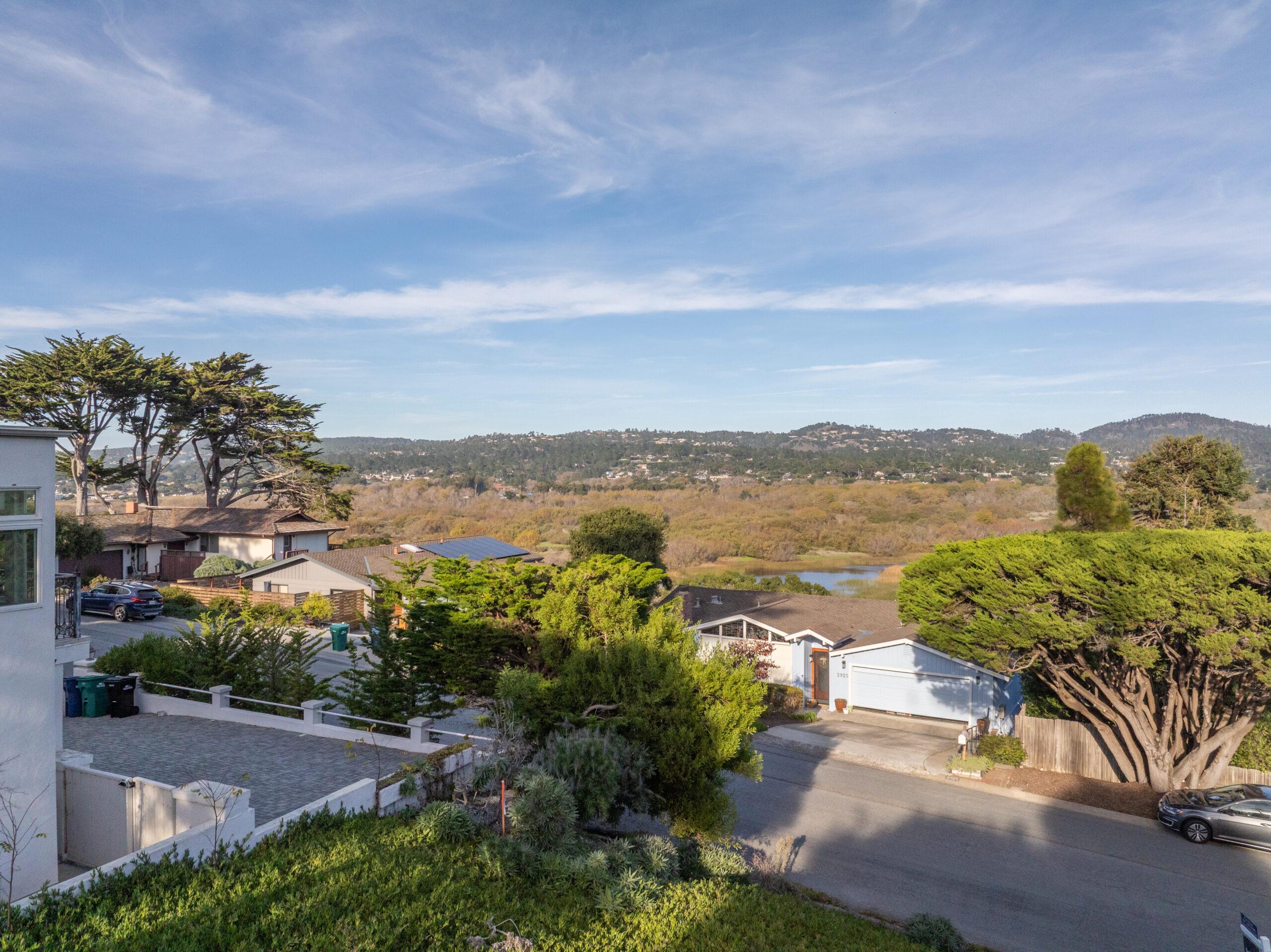
Rather than just estimating, we set up an 18-foot story pole on the site, a temporary structure that physically represents the height of the future building, and sent a drone up to 15 feet to capture images simulating the perspective from inside a second-story living space.
The result was exactly what they were hoping for: expansive north and northeast views across Carmel Valley, spanning roughly 150 degrees and clearing the cypress trees across the street. Seeing is believing!
Exploring How the Home Could Fit on the Site
Using drone imagery as a base, we sketched out a preliminary site plan showing where a home could sit within the property lines while meeting all setback rules. A 40 by 40 foot building footprint looked workable, supporting roughly 1,600 square feet on the main level, with a partial lower level reaching the 2,500 square foot goal.
We determined that the 18-foot height limit would require some excavation on the uphill side of the site, but nothing unusual for the terrain and not a major barrier. These sketches helped the clients picture a space on what was once an empty lot.
Design Opportunities for the Future Home
We wrapped up with some early design ideas. Given that the lot faces the valley, we suggested placing the main living areas and primary suite on the upper level to capture the panorama. The garage and secondary bedrooms would sit on the lower level, set naturally into the hillside. A modern look with flat rooflines would keep the residence within the Coastal Zone height limit while still allowing for large windows and open views from above.
These aren’t final decisions; all will come together in the Conceptual Design phase that follows. Still, they helped demonstrate that the lot had strong potential for the home the clients wanted.
Understanding the Timeline and Budget
A feasibility study sets honest expectations for what comes next in time and cost. For this project, we estimated the design and pre-construction phase would take about 18 months before a building permit.
Coastal Zone projects require two reviews. First is a discretionary review of the design by the Planning department and Planning Commission. Next is the Building department plan check, which reviews the technical drawings. Each step takes time. After permits, construction could take up to 24 months depending on the final design.
On the cost side, we recommended budgeting $1,100 – $1,400 per square foot for construction, not including site work and landscaping like the driveway, retaining walls, and plantings. Soft costs (design fees, consultant services, and permits) typically run 8% to 12% of the total construction budget. Putting these numbers on the table helps buyers plan finances before making major commitments.
The Value of Feasibility Before Purchase
Vacant land holds incredible potential, but it also comes with a lot of unknowns. A feasibility study is how you trade uncertainty for information, so you understand what a property can realistically become before you sign.
For this couple, the picture was a highly encouraging one. Our research confirmed a clear path to a two-story, three-bedroom home with the views they were hoping for, resolved the key question around water access, navigated the realities of Coastal Zone permitting, and gave them a grounded sense of what to expect on timeline and budget. With that clarity in hand, they moved forward with the purchase and into the next phase with Lewis Builders.
Considering a Vacant Lot?
If you’re thinking about purchasing land on the Monterey Peninsula, a feasibility study can give you real clarity before you commit. Lewis Builders offers pre-purchase feasibility evaluations to help buyers understand exactly what a property offers and what it will take to build on it.
Before you buy, know what’s possible. Schedule a consultation with us to learn more.